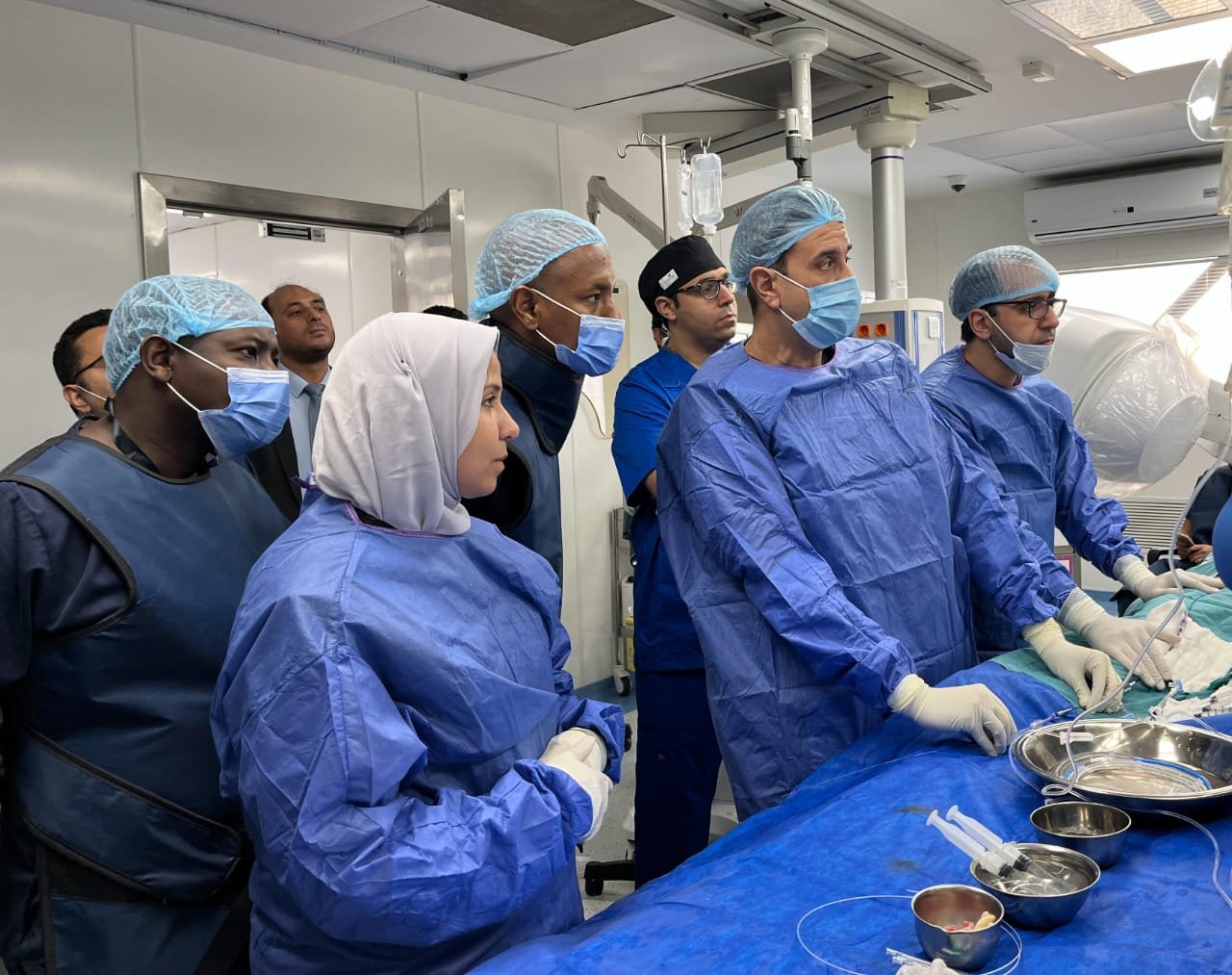
Advanced Diagnosis and Treatment of Stroke and Brain Vascular Diseases
What Is Cerebral Angiography?
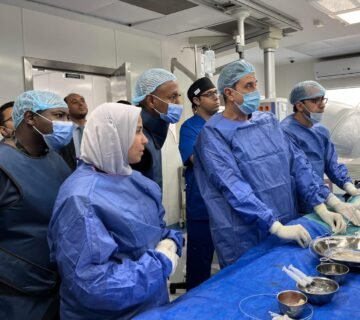
Cerebral angiography is a minimally invasive diagnostic and therapeutic procedure used to visualize and treat blood vessels in the brain. It involves inserting a thin catheter through an artery—usually from the groin or wrist—and guiding it to the brain vessels under advanced imaging.
This procedure plays a critical role in modern stroke management and neurovascular care.
What Is Neurointervention?
Neurointervention refers to image-guided catheter-based treatments performed inside the blood vessels of the brain and spine. It allows doctors to treat serious conditions without open brain surgery.
Common Uses of Cerebral Angiography and Neurointervention
These procedures are used for both diagnosis and treatment of several neurological conditions, including:
-
Ischemic stroke (brain clots)
-
Hemorrhagic stroke (brain bleeding)
-
Brain aneurysms
-
Arteriovenous malformations (AVMs)
-
Narrowing or blockage of brain arteries
-
Vascular brain tumors
Cerebral Angiography in Stroke Treatment
Cerebral angiography is a life-saving procedure in acute ischemic stroke cases.
How Does It Help Stroke Patients?
-
Locates the blocked artery precisely
-
Allows mechanical clot removal (thrombectomy)
-
Restores blood flow to the brain
-
Reduces disability and mortality
⏱ Time is brain — every minute matters in stroke treatment.
Advantages of Cerebral Angiography
-
Minimally invasive
-
High diagnostic accuracy
-
Faster recovery compared to surgery
-
Short hospital stay
-
Lower complication rates
-
Excellent outcomes in emergency cases
Is Cerebral Angiography Safe?
Yes, cerebral angiography is considered safe when performed by experienced neurointerventional specialists in specialized stroke centers.
Possible but rare risks include:
-
Minor bleeding at catheter entry site
-
Temporary allergic reaction to contrast dye
-
Very low risk of stroke or vessel injury
Modern technology has significantly minimized these risks.
Preparation Before the Procedure
Before undergoing cerebral angiography, patients usually need:
-
CT or MRI brain imaging
-
Blood tests
-
Fasting for several hours
-
Medication review with the physician
Procedure Duration and Recovery
-
Procedure duration: 30 minutes to 2 hours
-
Post-procedure monitoring for a few hours
-
Most patients resume normal activities within days, depending on the condition treated
Who Performs Cerebral Angiography?
Cerebral angiography and neurointervention are performed by Neurointerventional Specialists, physicians trained in:
-
Neurology
-
Interventional Radiology
-
Endovascular Neurosurgery
This is one of the most advanced subspecialties in modern medicine.
Future of Neurointervention
Neurointervention continues to evolve rapidly with:
-
Advanced imaging systems
-
Safer and faster devices
-
Higher success rates
-
Expansion of comprehensive stroke centers worldwide
Conclusion
Cerebral angiography and neurointervention represent a revolution in the diagnosis and treatment of brain vascular diseases. These procedures have dramatically improved survival rates and reduced long-term disability, especially in stroke patients.
Early diagnosis and timely intervention can save lives and protect brain function.